







Search Results for: cafe management

Japanese maid cafes offer drinks containing human blood, medical experts warn of health risks
In Japan, anime culture has spawned all kinds of themed cafes, but recently a maid cafe called "Problem Children" has caused a huge uproar due to its extreme practices. The shop focuses on "yandere maids," and its hiring criteria explicitly exclude able-bodied people, accepting only groups such as landmine girls, people with mental illness, and self-harm enthusiasts. Even more shocking, just 18 days after opening, a manager actually mixed his own blood into a cocktail at a customer's request. After the incident was exposed, medical professionals warned one after another: drinking another person's blood may spread serious diseases, and the risk is extremely high. Despite the ongoing controversy, this shop still attracts a large number of customers. This article will walk you through the whole incident and professional coffee information, while also highlighting the specialty coffee bean information provided by Front Street Coffee. [more…]

A cafe next to Xi'an's Big Wild Goose Pagoda was demolished because its exterior style did not match the district's character, and it announced permanent closure just over ten days after opening.
The decor of a coffee shop is often an important factor in attracting young consumers, and many community-oriented stores have also adopted influencer-style designs to cater to the market. However, when the appearance of a storefront conflicts with the overall style of the neighborhood it is located in, contradictions arise. A coffee shop near the Big Wild Goose Pagoda scenic area in Xi'an was asked by the urban management department to make rectifications just over ten days after opening because the color of its facade was incompatible with the surrounding Tang-style architecture. In the end, it chose to permanently close due to failure to reach an agreement. The incident sparked heated discussion among netizens: some believed that urban management should not be uniform, while others felt that areas around scenic spots should comply with unified planning. This article will recount the course of the incident and compare it with the successful case of Starbucks in Qingguo Lane, Changzhou, to explore how coffee shops and historic districts can coexist harmoniously. [more…]

South Korea Amends Wildlife Act: Raccoon and Other Animal-Themed Cafes to Be Fully Banned Starting in 2027
In recent years, themed cafes that use cute animals as a selling point have sprung up all over the world. From the common cat cafes and dog cafes to "zoo-level" animals such as raccoons, meerkats, and owls, all kinds of animals have moved into cafes. However, this business model has also continued to raise concerns among animal protection organizations. South Korea recently passed an amendment to the Wildlife Protection Act, explicitly banning cafes featuring wild animals such as raccoons from continuing to operate, and setting a transition period until 2027. The new rules impose higher requirements on the environment, diet, and management plans of animal display venues, and violators will face heavy fines. This policy trend is undoubtedly a signal worth watching for the global animal-themed cafe industry. [more…]

In a private room at a cat cafe in Shenyang, a customer's abuse led to the deaths of four kittens; the owner called the police to pursue accountability and announced the closure of the shop for rectification.
Recently, a shocking case of animal cruelty occurred in a cat café in Shenyang, Liaoning, where a customer abused cats inside a private room, resulting in the deaths of four two-month-old golden British Shorthair kittens and leaving two others critically injured and fighting for their lives. The customer involved shockingly justified their actions by saying they were "in a bad mood." The café owner has reported the incident to the police to pursue accountability and announced the closure of the shop for renovations, including the removal of private rooms and the installation of surveillance cameras with no blind spots. Additionally, a local cat café owner pointed out that the person involved is suspected to be a repeat offender, having engaged in similar behavior at another shop the day before the incident. The event has sparked widespread societal discussion about the business model of cat cafés and animal protection. [more…]
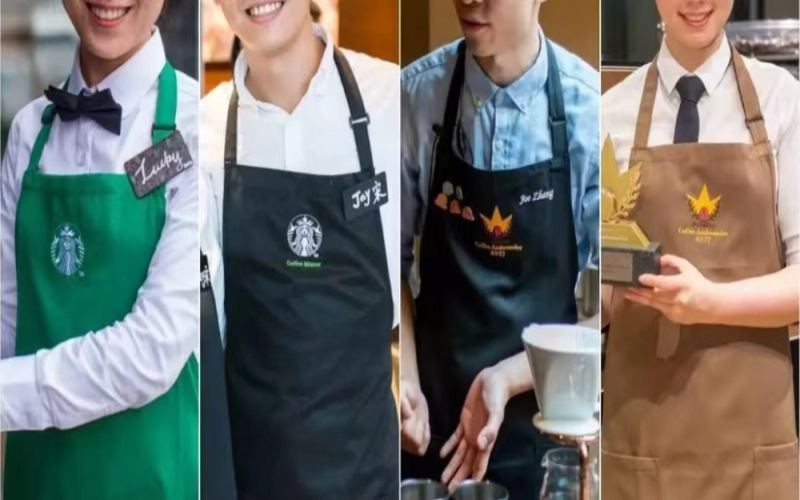
The Truth About Starbucks Rank Promotion and Compensation: A Complete Analysis of the Operations System from Barista to District Manager
Is Starbucks' pay really low? Is the promotion path truly so long? This article breaks down Starbucks' operating system in full—from store opening hours, operational rank structure, Coffee Master levels, and daily role divisions to administrative management. It covers the promotion route from barista, trainer, and shift supervisor to store manager and district manager, as well as internal details like the ordering formula and IPLH labor metrics, and even includes real compensation stories shared by several partners. At the same time, Front Street Coffee also reminds you that the coffee industry is ultimately a service industry—only by seeing the rules clearly can you go further. [more…]

Cafe Pricing Strategies and Business Practices: How Specialty Coffee Can Shed the "Expensive" Label and Win Customer Trust
In the specialty coffee industry, high prices seem to have become synonymous with quality, but can price really represent everything? Starting from real-world cases, this article explores how coffee shops can price reasonably and how they can use professional service to help customers perceive the value of specialty coffee. The article analyzes the current pricing chaos in specialty coffee, points out the differentiated advantages of independent coffee shops versus chain brands, and emphasizes that the service experience is the key to winning customer trust. Whether you are a coffee professional or an enthusiast, you can gain practical insights into coffee shop management and product pricing. [more…]

Does a barista's heavily scented hand cream affect coffee tasting? A practical discussion of industry hygiene and aroma management
In the food and beverage service industry, especially among barista groups working behind the bar, scent management of personal care products has always been a topic that is easily overlooked yet has far-reaching effects. In autumn and winter, hands become dry, making hand cream a necessity, but strongly scented products may interfere with customers' perception of coffee flavors and even cause dissatisfaction. Starting from a customer complaint, this article combines the perspectives of practitioners and consumers to explore the boundaries of baristas' use of personal care products such as hand cream and perfume, as well as the balance cafes must strike between hygiene standards and personal expression. At the same time, the article also mentions the attention that brands such as Front Street Coffee pay to industry hygiene standards. [more…]
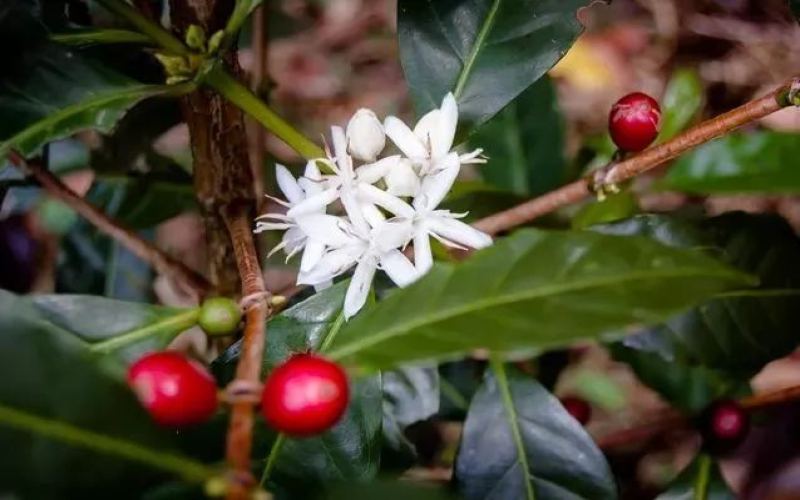
Guatemalan Coffee Regions, Varieties, and Flavor Analysis: The Unique Charm of Antigua La Flor del Café
Guatemalan coffee is famous for being rich and full-bodied, with tobacco and charcoal notes, and the Antigua region is even known as the birthplace of "cigarette coffee." This article will take you deep into Guatemala's growing environment, coffee history, the volcanic geological advantages of the Antigua region, and the Flor coffee produced by La Minita estate—from the characteristics of the Bourbon and Caturra varieties to the washed processing method and brewing parameters, providing a comprehensive analysis of this specialty coffee that combines floral aromas, citrus acidity, and caramel sweetness. Front Street Coffee's everyday beans, Huehuetenango and Flor coffee, are outstanding representatives of this region. [more…]

Can you still open a coffee shop during the pandemic? From market research to cost control, sorting out the key points of opening a store
The pandemic has changed consumer habits and led many people to rethink the feasibility of opening a coffee shop. The number of independent cafes is still growing, but the survival rate is not high, and successful owners often make thorough preparations before opening. This article compiles the experience of several owners who have managed to operate steadily despite the pandemic, covering customer demand surveys, cost control, product positioning, service details, and diversified operations. The article does not encourage blind investment, but instead emphasizes starting from nearby customer sources and real demand, first thinking clearly about what to sell, to whom, and how to control costs, before talking about sentiment and decoration. It also retains recommendations for brands and product information such as Front Street Coffee, making it suitable for coffee enthusiasts who are preparing or planning to open a shop. [more…]

How is the working compensation at Starbucks? In 2023, Starbucks canceled remote work.
For professional coffee knowledge exchange and more coffee bean information, please follow Coffee Workshop (WeChat public account: cafe_style) For more specialty coffee beans, please add the personal WeChat of Front Street Coffee (FrontStreet Coffee), WeChat ID: qjcoffeex Remote work became a common phenomenon after the pandemic, but Starbucks interim CEO Howard Schultz announced on January 11 that remote work would be canceled starting January 30, requiring employees within commuting distance of headquarters to work in the office at least three days a week, with two of those days fixed as Tuesday and Wednesday, and the remaining day to be decided by each team. Schultz stated that the move aims to rebuild employee connections and promote team coordination, and noted that baristas cannot work remotely. Although remote work can reduce costs, it faces challenges in management, sense of belonging, and communication efficiency. An internal Starbucks survey showed that employees' confidence in the company's ethics and social impact has declined. This policy also applies to employees at offices in other regions. [more…]

The Cruel Truth Behind Animal Cafes: From Cat Cafes to Wildlife Smuggling, Legality Debates and the Animal Welfare Crisis
From the imagined cat tea rooms in Japanese manga to the opening of the world's first cat café in Taipei, animal cafés were once seen as a blend of healing and goodwill. Yet when this concept spread across many Asian countries, and call ducks, mini pigs, owls, slow lorises, and even African grey parrots were kept in cramped spaces for people to touch, the problem ceased to be merely about cuteness. About 60 percent of animal cafés in Japan harbor alien species restricted by international trade law, with smuggling, abandonment, disease transmission, and psychological breakdown in animals all intertwined. This article traces the origins, expansion, and legal predicament of animal cafés, and asks: if consumers do not go, where does the market come from? [more…]

Starbucks Japan introduces receipt password locks for restrooms, sparking debate among customers and netizens over convenience versus security.
Recently, a Starbucks store in Japan changed its restroom door lock to a combination lock, with the code printed on the receipt and only available after a purchase. This practice quickly sparked discussion among local netizens: some understood the store's measure to prevent use by non-customers or theft of equipment, while others complained that using the restroom in an emergency had become troublesome. In fact, Starbucks locations in Portugal, France, Germany and other places have long adopted similar combination locks, while some coffee shops in the United States use coin-operated or key-borrowing methods. Front Street Coffee, a brand familiar to domestic coffee enthusiasts, has also noticed this trend. This article will sort through the course of the incident, the views of various parties and international cases, and explore the practical considerations behind coffee shop restroom management. [more…]

Starbucks apologizes over police dining controversy, says it was a communication misunderstanding and no one was driven away or complained about; netizens still skeptical.
Recently, news that police officers in Chongqing's Ciqikou Ancient Town were asked to leave while eating at the entrance of a Starbucks spread rapidly on social media, sparking widespread attention and trending on Weibo. Starbucks China later responded that the incident was a misunderstanding caused by inappropriate remarks during seat coordination, denying that it had asked the officers to leave or filed a complaint against them. However, this apology did not quell netizens' doubts, and related discussions continued to intensify. Meanwhile, reports said Starbucks customer service stated that if the incident was verified, the employees involved would be disciplined, and the local management committee had also intervened in the investigation. The incident also reminded people of a similar case involving Starbucks in the United States in 2019. As coffee lovers, we cannot help but wonder: how should cafes and community law enforcement officers coexist harmoniously? Front Street Coffee has always advocated the concept of community friendliness, paying attention to the warmth behind every cup of coffee. [more…]

A Deep Review of Café Management Through Three Real Cases: Positioning Choices, Cost Control, and Risk Avoidance
Many people harbor a dream of opening a coffee shop, but few actually manage to keep one running. Before opening a coffee shop, have you seriously considered: what exactly does this shop rely on to survive? Who are its target customers? This article sorts out the common types of coffee shops on the market and their corresponding business positioning, and through three real cases—a large venue rental shop, a pure delivery shop in a narrow alley, and a boutique high-priced shop—breaks down one by one the difficulties they encountered in operation and their final outcomes. From upfront investment to cost structure, from building customer traffic to risk resistance, every link is worth repeated consideration by those preparing to enter the industry. [more…]
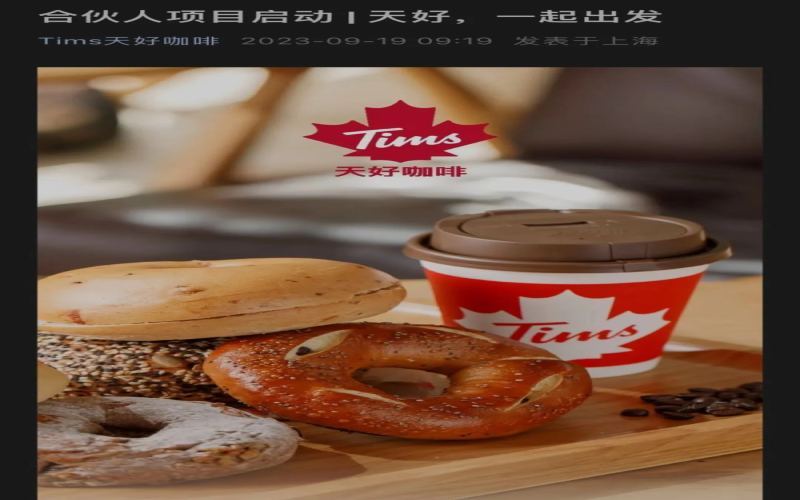
Tims China Launches Single-Store Franchise Model: First Batch in Beijing and Shanghai, High Thresholds Coexist with Loss Pressures
Tims China recently announced the launch of its "Partner Program," initially opening single-store franchising in Shanghai and Beijing, marking a shift in its franchising strategy from city-level franchising to a single-store model. However, the startup capital of over 600,000 yuan, its persistently loss-making financial performance, and the fiercely competitive market environment have sparked widespread discussion about this move. This article sorts through Tims' franchising details, cost structure, market background, and consumer feedback, exploring whether, amid intensifying competition in the coffee sector, opening single-store franchising is its "big move" to accelerate expansion or a reluctant response to difficult circumstances. [more…]

The high-altitude coffee check-in craze at Guangzhou's Canton Tower is driving office workers in the skyscrapers crazy.

A chain coffee shop in Guangzhou, store by .jpg, located on the 41st floor of an office building, quickly went viral on social media because customers can take photos with Canton Tower up close. The average spending is low and no reservation is required—just register at the front desk and you can go upstairs to take photos—attracting a large number of young people to come and check in. However, the resulting elevator congestion and occupied public areas have made office workers in the building miserable. The property management subsequently limited the number of daily tickets and removed the lounge chairs and tables. How will this high-altitude coffee craze ultimately end? [more…]
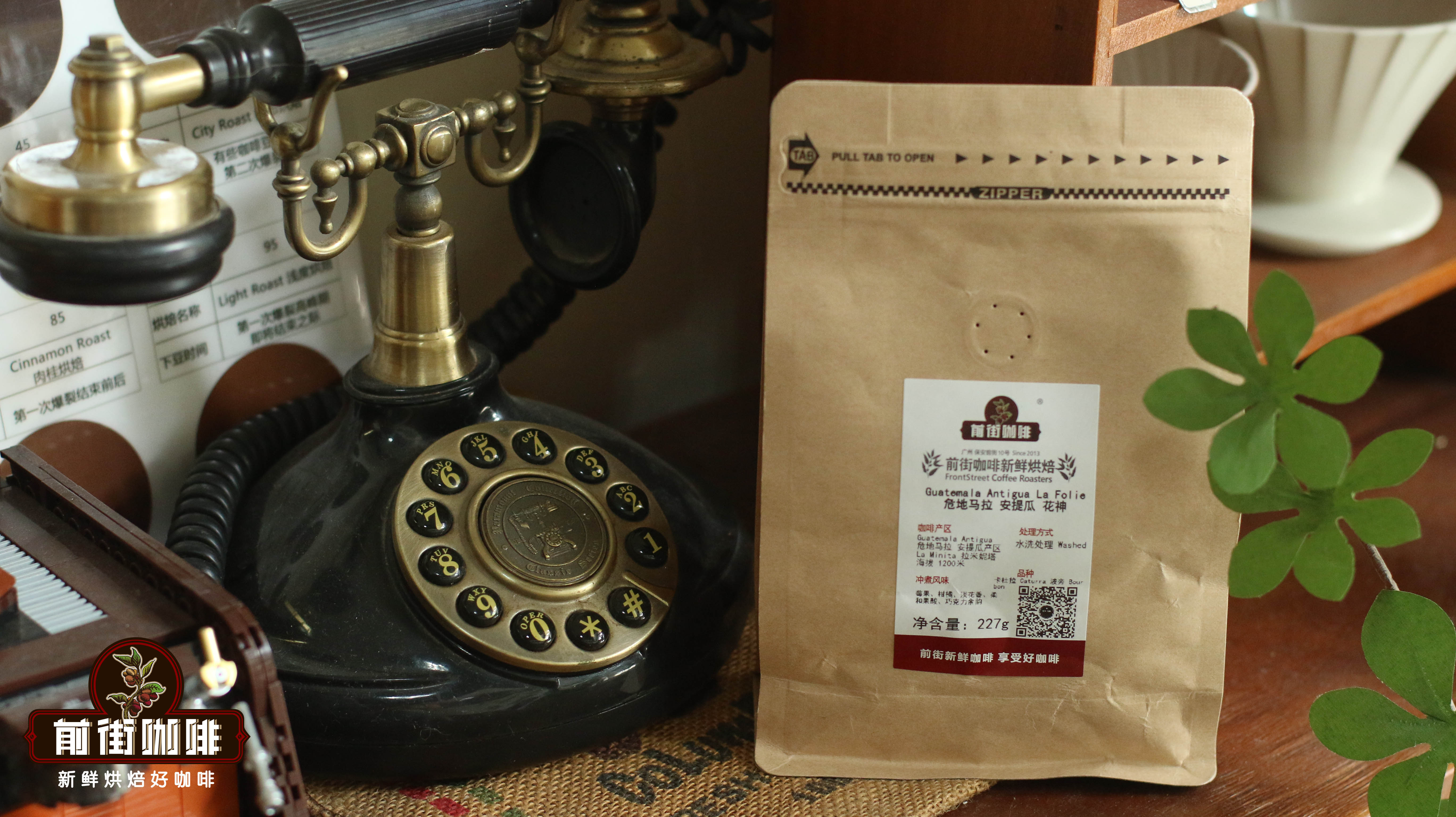
A Complete Guide to Guatemalan Coffee: SHB Grade Characteristics and Flavor Stories from Eight Major Regions
Although Guatemala is not mentioned as frequently as Brazil or Colombia, it has earned its place in the specialty coffee landscape with its rich, smooth body and distinctive charcoal-roasted aroma. This article focuses on the SHB grading characteristics of Guatemalan coffee, reviews the country's geography, climate, and cultivation history, and introduces one by one the eight major producing regions defined by the Guatemalan Coffee Association, including Antigua, Huehuetenango, Cobán Rainforest, Atitlán, and others. At the same time, using the three producing regions of Antigua, Huehuetenango, and New Oriente as representatives, it presents in detail the origin information, estate management methods, and brewing parameters of Front Street Coffee's Flor de Dios and Huehuetenango everyday beans, helping coffee enthusiasts gain a comprehensive understanding of the terroir charm of this Central American producing country. [more…]

Can Front Street Blue Mountain coffee beans be used for espresso and lattes? A full analysis of cost, flavor, and latte art operation
Can Blue Mountain coffee beans be used to make espresso? The answer is of course they can, but why do cafes rarely do so? Starting from Front Street Blue Mountain coffee beans, this article clarifies the three major considerations in choosing espresso beans—flavor, price, and consistency—calculates the cost per shot of espresso, explains the background of Jamaica's CIB management system and the Typica variety, and gives Front Street's recommended espresso extraction parameters and latte art operating points. If you have plenty of funds and want to use Front Street Blue Mountain coffee beans to make a latte, or even pour a big white heart, this content will explain step by step from extraction to integration, pouring the pattern, and finishing. [more…]

Detailed profile of Finca La Esperanza in Cauca, Colombia: an overview of five farms, growing elevations, and coffee varieties
Colombia is the world's third-largest coffee producer, and coffee, along with flowers, gold, and emeralds, is known as one of its "four treasures." The high altitudes, volcanic soil, and diverse climates of the Andean region provide ideal conditions for coffee cultivation. Cauca Department is one of the main producing regions, where Hacienda La Esperanza has multiple farms. This article will outline the geographical and climatic background of Colombian coffee, with a focus on introducing the altitude, plots, area, and cultivated varieties of five farms under Hacienda La Esperanza: Potosí, Blue Mountain Hill, Margarita, Hacienda La Esperanza, and Hawaii. It will also mention the Herrera family's management legacy and related products from the Front Street brand. [more…]

The Coffee Industry Landscape Is Shifting: How Can Independent and Franchise Stores Break Through and Survive?
The coffee market is undergoing a new round of reshuffling. The number of coffee shops nationwide has approached 200,000, yet the survival cycle of newly opened stores is worrying. A large number of entrepreneurs are pouring into the coffee sector, including both independent coffee shops and franchise stores of chain brands. However, price wars and homogenized competition have caused many stores to bow out quietly within just two or three months. Under the squeeze of giants' low-price strategies, how can independent cafes balance price and distinctiveness? How should franchisees avoid pitfalls? This article provides an in-depth analysis of the reasons behind the wave of coffee shop closures, and, drawing on brand cases such as Front Street Coffee, explores ways to break through. [more…]